





Introduction
In the vibrant world of anime and manga culture, few concepts capture the imagination of fans like Doujen Moe. Although the spelling may vary from the original Japanese “doujin” and “moe,” the combined phrase reflects a powerful blend of independent creativity and emotional attachment to fictional characters. Over the years, this cultural movement has grown from small community gatherings into a global digital phenomenon.
Doujen Moe represents more than fan art or amateur comics. It symbolizes freedom of expression, passion-driven storytelling, and the ability of communities to shape their own creative ecosystems. In an era where digital platforms empower individuals to publish and distribute their work globally, Doujen Moe has become a testament to how fandom can evolve into artistic innovation.
The Meaning of Doujin
The word “doujin” traditionally refers to self-published works created by individuals or small groups. These works can include:
-
Manga (comics)
-
Light novels
-
Fan fiction
-
Indie video games
-
Artbooks
Doujin culture originated in Japan, where artists gathered at conventions to sell their independently produced content. One of the most famous events dedicated to doujin works is Comic Market (Comiket), where thousands of creators present their projects to fans.
Unlike mainstream publishing, doujin creators operate independently. This allows for creative freedom and experimentation. Stories can explore alternate plotlines, new character developments, or entirely original worlds. Many professional manga artists even began their careers in the doujin scene.
Understanding Moe
“Moe” is a cultural term used to describe a strong emotional affection for fictional characters. It often relates to character traits that inspire protectiveness, admiration, or emotional warmth.
Moe characters frequently feature:
-
Soft, expressive eyes
-
Youthful or innocent personalities
-
Unique quirks or emotional depth
-
Cute or stylized designs
The concept became especially popular in anime and gaming communities. Moe is not limited to appearance; it also reflects emotional storytelling and character connection.
When combined with doujin creativity, the result is Doujen Moe — a culture centered on independently created content that emphasizes emotionally engaging characters.
The Evolution of Doujen Moe
Originally, doujin culture thrived through physical events. Artists printed small batches of comics and sold them at conventions. Over time, digital platforms transformed distribution.
Today, creators can:
-
Publish online
-
Sell digital downloads
-
Share previews on social media
-
Reach international audiences instantly
This shift democratized creative publishing. Doujen Moe is no longer limited to one region; it has become global.
Artists from different countries contribute their interpretations of anime-style storytelling, expanding the cultural footprint of the movement.
Creative Expression and Community
One of the most powerful aspects of Doujen Moe culture is its community-driven nature. Fans often collaborate on projects, share feedback, and support one another’s growth.
Online forums, art-sharing platforms, and streaming services allow creators to:
-
Showcase works-in-progress
-
Receive constructive criticism
-
Build loyal fan bases
-
Crowdfund future projects
The sense of belonging within these communities fosters innovation. New artistic styles, narrative themes, and character archetypes continue to emerge.
Digital Platforms and Distribution
Modern technology has reshaped Doujen Moe distribution.
Online Marketplaces
Artists can sell digital comics and art packs without printing costs.
Social Media Exposure
Platforms allow creators to gain followers quickly.
Crowdfunding
Fans financially support favorite artists, helping them produce larger projects.
These tools have enabled independent creators to compete with larger studios in terms of reach and engagement.
Cultural Significance
Doujen Moe reflects a broader cultural shift toward participatory media. Instead of passively consuming entertainment, fans actively create it.
This participatory model influences mainstream industries. Many ideas that start in independent communities later inspire official adaptations or collaborations.
Additionally, Doujen Moe provides young artists with opportunities to:
-
Develop professional portfolios
-
Experiment with storytelling
-
Explore personal themes
-
Connect globally
The culture encourages self-expression and identity exploration.
Ethical and Legal Considerations
While Doujen Moe promotes creativity, it also raises legal and ethical questions.
Because some doujin works are based on existing franchises, creators must be mindful of copyright laws. In many cases, original copyright holders tolerate fan works as long as they remain non-commercial or respectful.
Responsible creation involves:
-
Respecting original creators
-
Avoiding harmful or inappropriate content
-
Following platform guidelines
Ethical participation ensures that the community remains positive and sustainable.
The Future of Doujen Moe Culture
The future looks dynamic and technology-driven.
AI and Digital Tools
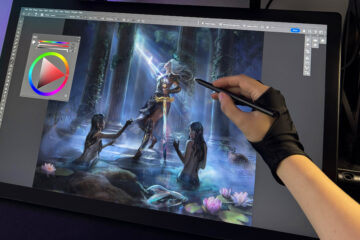
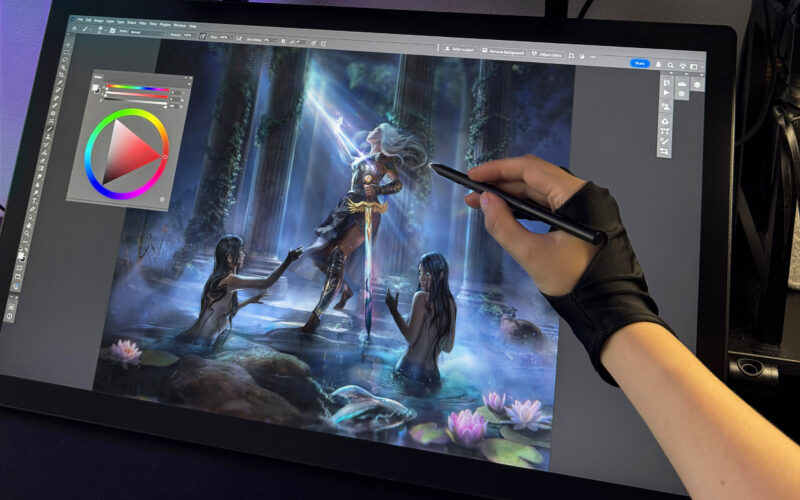
Advanced drawing software and AI-assisted tools make content creation faster and more accessible.
Virtual Conventions
Online events allow global participation without travel.
Expanding Global Influence
As anime culture continues growing worldwide, Doujen Moe will likely attract new creators and audiences.
Innovation in virtual reality and interactive storytelling may further transform how fans experience independent works.
Conclusion
Doujen Moe represents the intersection of passion, creativity, and digital empowerment. What began as small-scale independent publishing has evolved into a worldwide cultural movement.
It celebrates:
-
Emotional storytelling
-
Character-driven art
-
Community collaboration
