




1 — Introduction
In today’s hyperconnected digital world, some of the most recognizable “names” on the internet are not actual people. Instead, they are characters shaped by thousands of users across social media platforms who remix, reinterpret, and recreate ideas collectively. Jack Şoparov is one such name — a viral persona that exists not in real life or official history, but in the shared humor and creative culture of the internet.
This character has gained attention in Turkish-speaking online communities and beyond, evolving from a playful name tweak into a recurring joke, meme, and digital identity. But what exactly is behind this phenomenon, and why has it captured such wide participation? To understand Jack Şoparov, we first need to explore how internet culture reinvents global icons to make them local, relevant, and humorous.
2 — The Origin of the Name
2.1 From Captain Jack Sparrow to Jack Şoparov
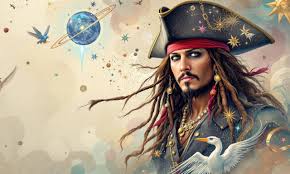
The most credible explanation for the emergence of the name “Jack Şoparov” is that it is a creative play on “Captain Jack Sparrow,” the famed pirate protagonist from Pirates of the Caribbean. Rather than a literal person, Jack Şoparov is a localized parody. The original character is known worldwide thanks to blockbuster films, and internet users enjoyed reimagining him with a playful twist.
2.2 Linguistic Play and Regional Sound
The humor behind “Şoparov” comes from changing the familiar English surname Sparrow into something that sounds Turkish or Eastern European. The letter “Ş” is unique to Turkish phonetics, and the “-ov” suffix evokes Slavic or regional naming patterns. This mix makes the character sound both recognizable and amusing in a local context — which is perfect for meme culture.
2.3 Meme Culture and Participatory Creativity
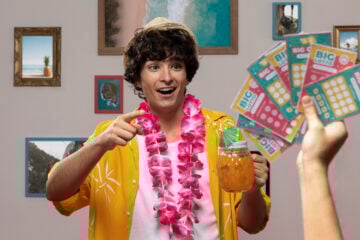
Most uses of the name are found on platforms like TikTok, Instagram Reels, and meme pages, where users remix visuals, audio, and text to create endless variations. These memes often feature pirate imagery placed in humorous scenarios with Turkish undercurrents — such as beach scenes, local humor, or cultural references that have little to do with the original films.
3 — Who (or What) Is Jack Şoparov?
3.1 Not a Real Person — But a Meme
Despite some articles online claiming various “biographical” details — from digital artist to entrepreneur — there is no verified person named Jack Şoparov with a documented biography, interviews, or public records. The name does not belong to a historically significant figure, celebrity, or known personality. What exists instead is a collective, crowd-driven persona shaped by memes.
3.2 How the Character Appears Online
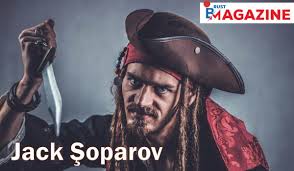
The references to Jack Şoparov on blogs and social feeds are almost always in the context of humorous reinterpretation. He is depicted in memes wearing pirate attire, often paired with Turkish pop culture elements, and surrounded by inside jokes that only local communities fully understand.
3.3 Misleading Content & Confusion on the Internet
Because of the internet’s tendency to generate content based on popular search terms, some sites produce fake or unrelated stories about “Jack Şoparov” being a singer, digital artist, or even a startup founder — often without any real evidence. This content, created for clicks or SEO traffic, adds confusion to the meme’s meaning.
4 — How the Meme Spread
4.1 Social Media Platforms and Viral Formats
Short-form video platforms and meme pages — especially TikTok and Instagram — were major drivers of the trend. These sites thrive on quick, shareable visuals that can be adapted by anyone. Users began editing familiar pirate footage, adding local music, captions, or humorous voiceovers that referenced Turkish culture.
4.2 Participatory Remixing and Community Involvement
Anyone could join in: users created their own versions of Jack Şoparov — some placing him in front of the Turkish coast, others dressing up to imitate the character, and still others rewriting dialogue to include local slang. This participatory nature is what propelled the meme from a simple joke into a recurring online identity.
4.3 Examples of Meme Formats
Typical content includes:
-
Short video clips of clips with Turkish music overlays.
-
Edited photos replacing captions with “Jack Şoparov.”
-
User-generated skits portraying the character in funny, everyday situations.
The exact formats vary widely, but all share a playful reimagining of global media through local humor.
5 — Cultural Meaning and Interpretation
5.1 Localization of Global Culture
Jack Şoparov’s popularity illustrates a broader trend in internet culture: global icons become local jokes. People take something they already recognize and reinterpret it through their own language, humor, and cultural context. This makes the meme resonate especially in Turkish-speaking communities.
5.2 Humor, Identity & Community Belonging
Memes like this often build a sense of belonging among users who share the same language or cultural background. Laughing at and participating in a meme helps form a shared cultural identity, even if the meme itself is absurd or fictional.
5.3 Meme as Digital Folklore
Rather than a static joke, Jack Şoparov has become part of modern digital folklore — a shared story that belongs not to one author, but to the collective imagination of internet users. It evolves each time someone puts a new twist on the concept.
6 — The Power and Limitations of Meme Fame
6.1 SEO, Content Farms, and Viral Search Terms
Names that go viral often trigger waves of content creation — some legitimate, others created solely for SEO optimization or to capture clicks. This is why searches for “Jack Şoparov” sometimes yield unrelated or fictionalized biographies that have no factual basis.
6.2 Why People Create Stories for Him
The internet thrives on creativity but also on spectacle. Some creators generate elaborate “profiles” for Jack Şoparov, inserting him into narratives that range from digital art to business success — even though these stories aren’t grounded in verifiable reality.
6.3 The Disconnect Between Meme and Reality
The result is a fascinating disconnect: people treat the name as though it belongs to a real person, but in reality all references trace back to user-generated content and internet remixing, not documented history or journalism.
7 — The Broader Context: Memes and Modern Identity
7.1 Participatory Culture and Creative Ownership
Memes like Jack Şoparov show how participatory digital culture allows anyone to shape narratives, remix symbols, and contribute to collective identity. This democratized creativity is a hallmark of social media culture.
7.2 Global Pop Culture Meets Local Humor
By taking an internationally recognized character and giving it a local twist, users reinforce the idea that stories and icons are no longer controlled solely by studios or media companies — they belong, in part, to the people who share and reshape them.
7.3 Meme Evolution and Digital Collective Expression
Jack Şoparov is an example of how memes evolve. They start small but can become cultural symbols, community in-jokes, and shared experiences that transcend borders while reflecting local identity.
8 — Conclusion
8.1 What Jack Şoparov Says About Today’s Internet
Jack Şoparov is not a real person, and no verifiable biography exists. Instead, he represents the way the modern internet blends global media, local humor, linguistic creativity, and participatory storytelling into viral digital culture.