






Introduction: The Rise of Absurd Internet Identities
Modern internet culture thrives on unpredictability. Unlike early social media eras dominated by polished influencers or structured online communities, today’s digital landscape celebrates chaos, irony, and intentional weirdness. Usernames themselves have evolved into jokes, performances, and cultural artifacts.
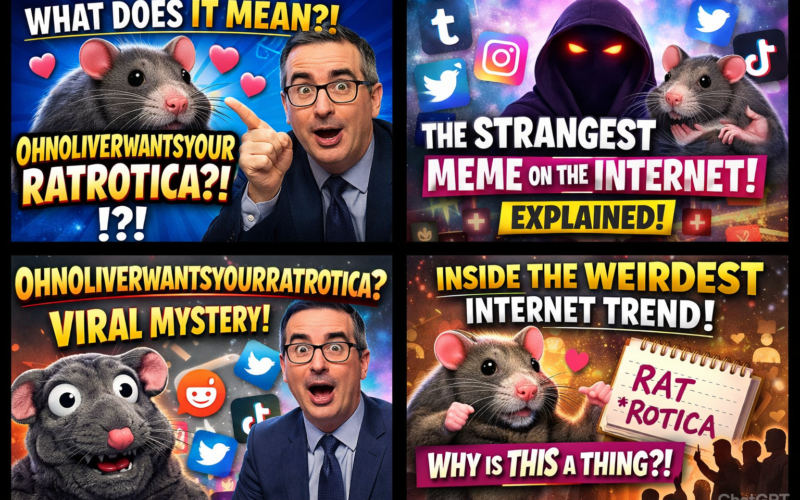
One such phenomenon is ohnoliverwantsyourratrotica, a phrase that appears confusing, humorous, and unsettling all at once. Its popularity reflects a deeper transformation in how humor, identity, and community operate online.
Rather than existing as traditional entertainment, this meme belongs to a growing category of absurdist internet expression—content designed less to make sense and more to provoke reaction.
What Is “ohnoliverwantsyourratrotica”?
At its core, the phrase functions as a username-based meme identity, combining exaggerated fandom humor with surreal wordplay. It gained attention through reposts, screenshots, and reaction memes circulating across platforms like Tumblr, Twitter, Reddit, and later TikTok.
The humor lies not in explanation but confusion. Viewers encountering the name often react with:
-
disbelief,
-
curiosity,
-
ironic amusement,
-
or shared confusion.
This reaction itself becomes part of the joke.
Origins: Tumblr Humor and Fandom Chaos
To understand the meme, one must revisit early fandom culture—especially communities formed on Tumblr during the 2010s.
Tumblr encouraged anonymity, creativity, and experimental humor. Users frequently adopted exaggerated usernames referencing fictional characters, inside jokes, or intentionally uncomfortable phrases. These names acted as social signals: if you understood the joke, you belonged.
“ohnoliverwantsyourratrotica” fits perfectly into this tradition. It echoes Tumblr’s long-standing preference for humor that blends:
-
fictional storytelling,
-
parody fandom,
-
surreal exaggeration,
-
and anti-mainstream aesthetics.
Such humor rejected professionalism in favor of chaotic authenticity.
Meme Linguistics and Shock Comedy
Internet linguistics plays a major role in the meme’s appeal. The phrase combines multiple unexpected elements into one uninterrupted string.
This structure follows a known meme principle:
The longer and stranger the phrase, the stronger the engagement reaction.
Shock humor online rarely depends on offensiveness alone. Instead, it relies on cognitive interruption—forcing readers to pause and mentally process what they just saw.
That moment of confusion becomes shareable content.
Screenshots featuring unusual usernames routinely circulate because audiences enjoy witnessing others encounter them for the first time.
The Role of Irony in Gen-Z Internet Culture
Younger internet users increasingly communicate through layered irony. Statements may simultaneously mean:
-
something serious,
-
something sarcastic,
-
and nothing at all.
Memes like this thrive because they resist interpretation. Unlike older jokes with punchlines, absurd usernames exist purely as performative humor.
Gen-Z online communication often values:
-
randomness over clarity,
-
irony over sincerity,
-
participation over explanation.
The meme becomes funny precisely because trying to explain it ruins it.
Platform Migration: From Niche Spaces to Mainstream Feeds
Many internet phenomena begin in small communities before spreading outward.
The trajectory typically follows this pattern:
Tumblr → Twitter screenshots → Reddit reposts → TikTok reactions.
Once TikTok creators began reacting to unusual usernames, the meme transitioned from insider humor to mainstream visibility. Reaction videos amplified engagement by documenting authentic confusion.
Algorithms favor content that produces immediate emotional responses—and confusion is highly effective engagement fuel.
Parasocial Humor and Anonymous Personas
Unlike influencers who build recognizable personal brands, meme accounts often operate through anonymity. The creator behind such a username becomes irrelevant; the identity itself becomes the entertainment.
This reflects a shift away from personality-driven internet fame toward concept-driven virality.
Users engage not with a person but with an idea—a fictional presence implied by the name.
In this way, the meme resembles performance art more than traditional comedy.
Algorithmic Amplification and Viral Accidents
Most viral memes are not planned successes. Instead, they emerge through algorithmic coincidence.
Platforms reward:
-
unusual text patterns,
-
high comment rates,
-
repost frequency,
-
emotional reactions.
A username that prompts thousands of comments asking “What does this mean?” signals engagement to algorithms, leading to wider distribution.
Virality becomes self-reinforcing.
Community Participation and Remix Culture
Internet memes rarely remain static. Communities remix them through:
-
fan edits,
-
parody accounts,
-
imitation usernames,
-
reaction memes.
Participation transforms observers into contributors. The humor evolves collaboratively rather than remaining owned by a single creator.
This participatory model reflects modern digital creativity, where audiences are also producers.
Digital Absurdism as Social Commentary
Although seemingly meaningless, absurd memes often reflect deeper cultural moods.
Many researchers argue that chaotic humor emerges during periods of social uncertainty. When reality feels overwhelming, absurdity offers relief.
Nonsensical jokes allow users to disengage from:
-
political stress,
-
economic anxiety,
-
information overload.
Random humor becomes emotional escape.
Internet Identity Performance
Online identities increasingly function as performances rather than reflections of real personality.
Choosing an extreme or bizarre username communicates:
“I understand internet culture.”
It signals cultural literacy within online spaces.
Identity becomes flexible, humorous, and intentionally fictional.
Controversy, Misinterpretation, and Online Boundaries
As niche jokes spread, misunderstandings often follow. Content originally intended as ironic or surreal may be interpreted literally by new audiences unfamiliar with its context.
This highlights a recurring issue in digital culture:
Memes lose meaning when removed from their communities.
Debates around appropriateness, interpretation, and platform moderation frequently arise when insider humor meets mainstream audiences.
Why Strange Memes Thrive Online
Psychologists studying online behavior identify several reasons unusual memes succeed:
-
Novelty attracts attention.
-
Confusion encourages interaction.
-
Humor builds community bonds.
-
Participation increases visibility.
The stranger the meme, the stronger its memorability.
Humans naturally share experiences that surprise them—and absurd usernames accomplish this instantly.
Cultural Impact and Legacy
While many memes fade quickly, their influence persists in subtle ways. The popularity of usernames like “ohnoliverwantsyourratrotica” demonstrates how humor has shifted from structured jokes toward ambient internet comedy.
Today’s humor exists continuously within feeds rather than separate comedic spaces.
The meme contributes to a broader movement redefining entertainment as everyday interaction.
The Future of Hyper-Niche Meme Culture
Internet culture is moving toward increasing fragmentation. Instead of universal viral moments, future memes may exist within highly specific micro-communities.
Artificial intelligence, recommendation algorithms, and decentralized platforms will likely accelerate this trend.
Tomorrow’s viral identities may appear even more incomprehensible to outsiders—yet deeply meaningful within their communities.
Conclusion
“ohnoliverwantsyourratrotica” represents more than an unusual username. It symbolizes the evolution of humor in the digital age—where absurdity, irony, anonymity, and participation merge into new forms of cultural expression.