








Introduction: The Evolution of Luxury Coupe SUVs
Over the past decade, the global automotive industry has witnessed a dramatic shift toward SUVs. Consumers now demand vehicles that combine performance, practicality, and luxury in a single package. Automakers responded by creating a new category known as the coupe SUV, blending sporty aesthetics with SUV functionality.
Among the pioneers of this segment is the BMW X4, a vehicle that successfully merges aggressive styling with premium German engineering. Often searched online as “bmvx4”, the model represents BMW’s commitment to innovation and driving pleasure.
What Is the BMW X4?
The BMW X4 is a compact luxury crossover SUV produced by BMW. Positioned between practicality and sportiness, the X4 offers the elevated ride height of an SUV while maintaining the sleek roofline traditionally associated with sports coupes.
Unlike conventional SUVs focused solely on space, the X4 targets drivers who prioritize design and performance alongside everyday usability.
It is essentially the sportier sibling of the BMW X3 but features a more dynamic silhouette.
History and Development of the BMW X4
BMW introduced the first-generation X4 in 2014 as part of its expanding X-Series lineup. Inspired by the success of the larger BMW X6, the company aimed to bring coupe-style design into a smaller, more accessible segment.
The second generation arrived in 2018, featuring:
-
improved chassis dynamics,
-
upgraded interior technology,
-
enhanced safety systems,
-
more efficient engines.
Over time, the X4 evolved from a niche experiment into one of BMW’s most recognizable performance SUVs.
Exterior Design Philosophy
The BMW X4 stands out immediately due to its athletic proportions.
Key design elements include:
-
sloping coupe-style roofline,
-
muscular wheel arches,
-
signature kidney grille,
-
aggressive LED headlights,
-
aerodynamic body contours.
BMW designers intentionally created a vehicle that appears in motion even while stationary. Compared to boxy SUVs, the X4 projects sportiness and modern luxury.
The M Sport variants further enhance appearance through larger air intakes and performance-inspired styling details.
Interior Luxury and Comfort
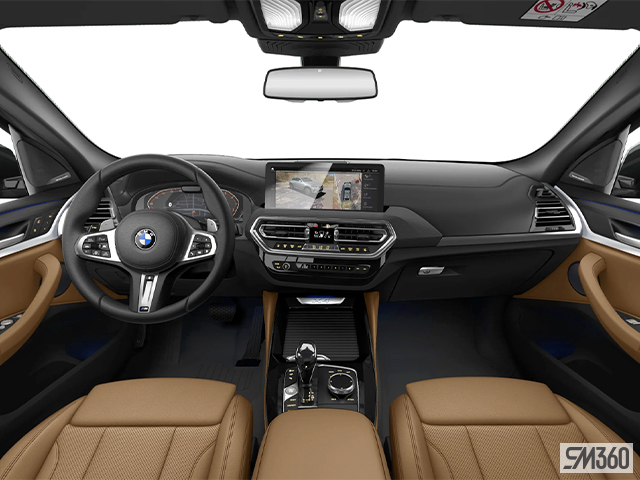
Inside the BMW X4, luxury meets driver-focused ergonomics.
Premium materials dominate the cabin, including:
-
leather upholstery,
-
aluminum or wood trim,
-
ambient lighting,
-
ergonomic sport seats.
BMW maintains its traditional driver-oriented cockpit layout, ensuring that controls remain intuitive and accessible.
Passengers benefit from ample legroom and advanced climate control systems, though rear headroom is slightly reduced due to the coupe roofline—a trade-off for style.
Cargo space remains practical for daily use, making the X4 suitable for both urban commuting and long-distance travel.
Engine Options and Performance
Performance remains one of the strongest selling points of the BMW X4.
Depending on the market, engine options include:
Turbocharged Four-Cylinder Engine
Efficient yet powerful, delivering smooth acceleration suitable for everyday driving.
Inline Six-Cylinder Engine
Found in higher trims, offering significantly enhanced performance.
High-Performance M Models
The BMW X4 M delivers sports-car-like acceleration with impressive horsepower figures.
BMW’s TwinPower Turbo technology ensures strong torque delivery while maintaining fuel efficiency.
Acceleration from 0–100 km/h can occur in under five seconds in performance versions.
Driving Experience and Handling
BMW markets itself as the “Ultimate Driving Machine,” and the X4 upholds this reputation.
Key driving characteristics include:
-
precise steering response,
-
balanced weight distribution,
-
adaptive suspension,
-
intelligent all-wheel drive (xDrive).
Unlike many SUVs that prioritize comfort alone, the X4 emphasizes driver engagement. Cornering stability feels closer to a sports sedan than a traditional SUV.
The elevated seating position combined with sporty handling creates a unique driving sensation.
Technology and Infotainment System
Modern luxury vehicles rely heavily on technology, and the BMW X4 excels in this area.
Features include:
-
BMW iDrive infotainment system,
-
large touchscreen display,
-
digital instrument cluster,
-
wireless smartphone integration,
-
voice command functionality.
Integration with Apple CarPlay and Android Auto allows seamless connectivity.
Gesture controls and AI-based navigation further enhance user experience.
Safety Features and Driver Assistance
Safety technology plays a crucial role in premium SUVs.
The BMW X4 includes:
-
adaptive cruise control,
-
lane departure warning,
-
blind-spot monitoring,
-
automatic emergency braking,
-
parking assistance systems.
Advanced sensors continuously monitor surroundings to reduce accident risks and improve driver confidence.
Fuel Efficiency and Practicality
Despite its performance focus, the X4 maintains respectable fuel efficiency for its class.
Turbocharged engines and lightweight construction help optimize consumption without sacrificing power.
Practical benefits include:
-
all-weather capability,
-
comfortable long-distance travel,
-
elevated driving visibility,
-
versatile cargo storage.
For families or professionals seeking style without abandoning practicality, the X4 strikes a strong balance.
BMW X4 vs Competitors
The coupe SUV segment has grown increasingly competitive.
Major rivals include:
-
Mercedes-Benz GLC Coupe
-
Audi Q5 Sportback
-
Porsche Macan
While competitors emphasize comfort or prestige, the BMW X4 differentiates itself through driving dynamics and aggressive styling.
Many reviewers consider it one of the sportiest options in the segment.
Ownership Experience
Owning a BMW X4 offers several advantages:
-
premium brand recognition,
-
strong resale value,
-
advanced engineering quality,
-
enjoyable driving performance.
However, maintenance costs can be higher compared to non-luxury SUVs. Regular servicing at authorized dealerships ensures optimal performance.
BMW’s global service network supports owners worldwide.
Market Popularity Worldwide
The BMW X4 enjoys strong demand across Europe, North America, the Middle East, and emerging Asian markets.
Urban professionals particularly favor coupe SUVs due to their modern appearance and performance-oriented identity.
Growing interest in luxury crossovers continues to strengthen the X4’s market position.
Pros and Cons
Advantages
-
Sporty design
-
Excellent handling
-
Premium interior
-
Advanced technology
-
Powerful engine options
Disadvantages
-
Reduced rear headroom
-
Higher maintenance cost
-
Slightly firmer ride compared to comfort SUVs
Future of the BMW X4
The automotive industry is moving rapidly toward electrification. BMW has already introduced electric SUVs under its “i” lineup, suggesting future X4 models may adopt hybrid or fully electric powertrains.
Advanced autonomous features and AI integration are also expected in upcoming generations.
The evolution of the X4 will likely maintain its sporty identity while embracing sustainable mobility.
Conclusion
The BMW X4 represents a bold interpretation of what an SUV can be. By blending coupe styling with practical versatility and performance engineering, BMW created a vehicle that appeals to drivers seeking individuality.
